
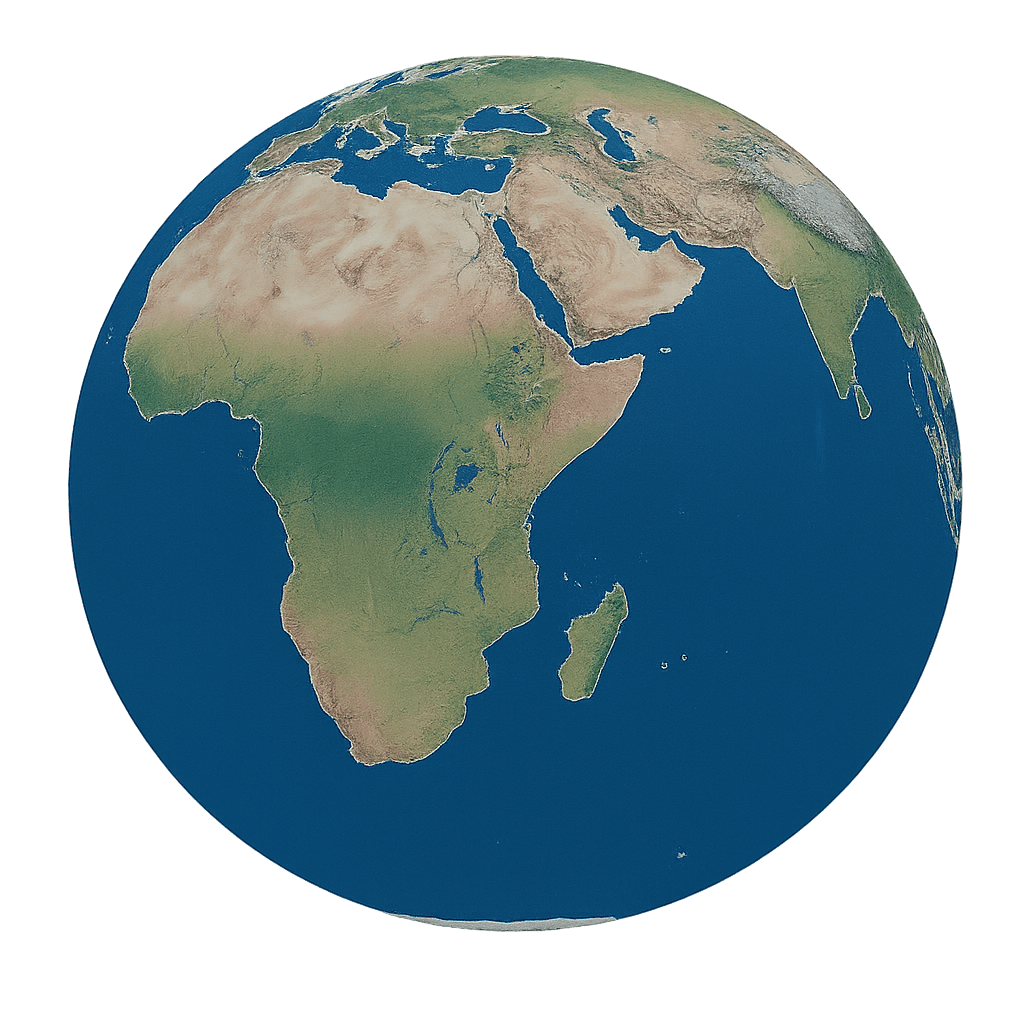
Dengue Watch: Martinique recorded 401.78 dengue cases per 100,000 people, among the highest rates in a regional comparison—well above the Americas’ reported rate of 158.1. The figures underscore the importance of removing standing water, where Aedes aegypti mosquitoes breed.
AGP Executive Report
Your go-to archive of top headlines, summarized for quick and easy reading.
Note: AI summary from news headlines; neutral sources weighted more to help reduce bias in the result. Feedback is welcome. Please let us know if you have any comments or suggestions about the AGP Executive Report.
Water Security & Public Health: Saint-Martin’s Princess Royal Hospital grounds saw the commissioning of G-CREWS water assets, including two 100,000-imperial-gallon storage tanks and new cisterns at Windward Medical Station and L’Esterre Medical Centre—aimed at protecting rural care during droughts and climate shocks. Dengue Watch: The Dominican Republic reports one of the lowest dengue incidence rates (8.57 per 100,000), while Martinique is listed at 401.78; health authorities stress community action to remove stagnant water breeding sites for Aedes aegypti. Martinique Health Leadership & Tourism: Alexandre Ventadour was named tourism commissioner for the Martinique Tourism Authority, with a stated focus on sustainable growth—relevant for wellness travel and health-linked visitor services. Local Governance & Services: Saint-Martin approved September 24 measures including €2.84M in European education funding and a projected €1.49M payment schedule tied to the Computech dispute, affecting public service continuity. Nutrition & Wellness Culture: A Trinbagonian baker highlights how French pastry techniques can fit “keto-friendly” diets—useful inspiration for Caribbean healthy eating trends.
Public Health & Water Security: Carriacou and Petite Martinique get a major boost as G-CREWS water assets are commissioned at Princess Royal Hospital grounds, adding two 100,000-imperial-gallon storage tanks and new cisterns at Windward Medical Station and L’Esterre Medical Centre to strengthen health services during droughts and disasters. Disease Monitoring: The Dominican Republic reports one of the lowest dengue incidence rates in the Americas (8.57 per 100,000), while Martinique is listed at 401.78; health authorities stress community action to remove stagnant water breeding sites for Aedes aegypti. Local Health System Support: The same regional push for resilience links infrastructure upgrades to protection of the public health system, with officials highlighting improved rural healthcare delivery. Wellness & Nutrition Culture: A Trinbagonian baker highlights how French techniques can fit “keto-friendly” diets, pointing to a wider interest in healthier eating methods. Martinique Governance (Indirect Health Impact): Saint-Martin’s executive council approves education funding and a payment schedule tied to a major Computech dispute, with knock-on effects for public services and staff support.
Water & Public Health: Carriacou and Petite Martinique get a major boost as G-CREWS water infrastructure is commissioned at Princess Royal Hospital grounds, adding two 100,000-imperial-gallon storage tanks and new cisterns at Windward Medical Station and L’Esterre Medical Centre to strengthen health services during disasters. Dengue Watch: The Dominican Republic reports one of the lowest dengue incidence rates in the Americas (8.57 per 100,000), while Martinique is listed higher (401.78), and health authorities stress community action to remove standing water that fuels Aedes aegypti. EU Health Burden: Eurostat data highlights cardiovascular disease as the top killer in the EU in 2023 (1.6 million deaths), with many regions at or above the EU average—an urgent reminder for prevention and risk control. Local Governance & Services: Saint-Martin’s Executive Council approves €2.84m in European education funding and a projected €1.49m payment schedule tied to a Computech dispute, alongside other administrative decisions affecting services. Tourism Leadership: Alexandre Ventadour is named tourism commissioner for Martinique’s Tourism Authority, aiming to raise the island’s global visibility with a focus on sustainability and partnerships. Community & Youth: Grenada’s football association launches a primary school competition with Beacon Insurance, bringing structured play to dozens of schools across parishes including Carriacou and Petite Martinique.

Water & Public Health: Carriacou and Petite Martinique’s Princess Royal Hospital area saw the commissioning of G-CREWS water infrastructure, including two 100,000-imperial-gallon storage tanks, plus new cisterns at Windward Medical Station and L’Esterre Medical Centre—aimed at stronger water security after the 2010 drought and better support for rural healthcare. Dengue Watch: The Dominican Republic reports a very low dengue incidence (8.57 per 100,000), and the health ministry stresses community action to remove stagnant water where Aedes aegypti breeds—an approach Martinique readers can take seriously as seasons shift. Local Governance & Services: Saint-Martin’s Executive Council approved education funding and a projected €1.49 million payment schedule tied to a Computech dispute, while continuing legal steps—reminding us how administrative decisions can ripple into day-to-day wellbeing services. Cardio Health (EU): New EU data highlights cardiovascular disease as the top cause of death, with many regions at or above the EU average—useful context for prevention priorities. Wellness & Food Culture: A Trini baker is bringing French pastry techniques to local palates, noting that many French methods can fit “keto-friendly” eating without needing special marketing.
Water & Public Health: Carriacou and Petite Martinique’s Princess Royal Hospital site in Belair saw the commissioning of G-CREWS water assets, including two 100,000-imperial-gallon storage tanks, plus rural healthcare upgrades like cisterns at Windward Medical Station and L’Esterre Medical Centre—aimed at stronger water security after the 2010 drought. Dengue Watch: The Dominican Republic reports one of the lowest dengue incidence rates in the Americas (8.57 per 100,000), while Martinique is listed at 401.78; health authorities stress community action to remove stagnant water breeding sites for Aedes aegypti. Cardiovascular Risk (EU): Eurostat says cardiovascular disease drives 32.5% of deaths in the EU (1.6 million in 2023), with many regions at or above the EU average—another reminder to keep prevention and screening front of mind. Local Governance (Saint-Martin): Saint-Martin’s Executive Council approved European education funding (€2.84M) and a projected €1.49M payment schedule tied to a Computech dispute, alongside other administrative measures affecting services. Tourism Leadership: Alexandre Ventadour was named tourism commissioner for Martinique’s Tourism Authority, tasked with boosting international visibility and partnerships with a focus on authenticity, innovation, and sustainability. Wellness & Food Culture: A Trinbagonian baker highlights how French pastry techniques can fit “keto-friendly” diets, linking culinary craft with healthier eating trends.
Water & Public Health: Carriacou and Petite Martinique got a major boost as G-CREWS water assets were commissioned at Princess Royal Hospital grounds, adding two 100,000-imperial-gallon storage tanks and rural healthcare water upgrades (including cisterns at Windward Medical Station and L’Esterre Medical Centre) to strengthen health services during disasters. Dengue Watch: The Dominican Republic reported one of the lowest dengue incidence rates in the Americas (8.57 per 100,000), while Martinique sits higher in the regional comparison (401.78); health officials stress community action to remove stagnant water breeding sites for Aedes aegypti. Cardiovascular Risk: New EU data highlights cardiovascular disease as the top cause of death in 2023, driving 1.6 million deaths (32.5% of all deaths), with many regions at or above the EU average—an urgent reminder for prevention and screening. Local Health Governance: Saint-Martin’s Executive Council approved key administrative and financial measures, including a €1.49 million court-ordered payment schedule tied to the Computech dispute, alongside broader funding decisions affecting services. Tourism Leadership: Martinique named Alexandre Ventadour as tourism commissioner for the Martinique Tourism Authority, aiming to strengthen sustainable, authentic destination growth. Wellness & Food Culture: A Trinbagonian baker is bringing French pastry techniques to local tastes, highlighting how classic methods can fit “keto-friendly” diets without needing heavy marketing. Sports & Community Activity: Grenada announced the Grenada & Carriacou Open Water Swim (Nov 19–22, 2026), pairing competitive swimming with destination experiences that can support healthier, active tourism.
Water & Public Health: Carriacou and Petite Martinique’s Princess Royal Hospital site in Belair has officially commissioned the G-CREWS water assets, adding two 100,000-imperial-gallon storage tanks and rural healthcare water cisterns at Windward Medical Station and L’Esterre Medical Centre—aimed at protecting health services after drought and climate shocks. Dengue Watch: The Dominican Republic reports a very low dengue incidence (8.57 per 100,000), while Martinique is listed at 401.78; health authorities stress community action to remove standing water that fuels Aedes aegypti. Regional Health Context: A new EU Eurostat snapshot says cardiovascular disease drives 32.5% of deaths in 2023, underscoring the need for prevention and care. Local Governance (Health Link): Saint-Martin’s Executive Council approved major European education funding and a payment schedule tied to the Computech dispute, while continuing legal steps—relevant for how public services keep running. Tourism Leadership: Martinique named Alexandre Ventadour as tourism commissioner, focusing on sustainable growth and stronger international visibility.
Water & Public Health: Carriacou and Petite Martinique’s Princess Royal Hospital area saw the commissioning of G-CREWS water infrastructure, including two 100,000-imperial-gallon storage tanks, plus rural healthcare upgrades like water cisterns at Windward Medical Station and L’Esterre Medical Centre—aimed at stronger water security after the 2010 drought. Local Health Watch: A new regional dengue snapshot puts the Dominican Republic among the lowest in the Americas (8.57 per 100,000), while Martinique is listed at 401.78; health authorities stress community action to remove standing water breeding sites for Aedes aegypti. Health & Wellness Context: Eurostat reports cardiovascular disease remains the top cause of death in the EU (1.6 million deaths in 2023), with many regions at or above the EU average—an urgent reminder for prevention and risk control. Community & Care: Global Black Pride is facing renewed criticism over how activists are treated and paid, raising concerns about burnout and fair support for LGBTQ+ health and rights work.
LGBTQ+ Rights & Funding: Global Black Pride is facing fresh backlash after reports that its organizers didn’t fully pay consultants and offered scholarships without enough money to cover them, reigniting concerns that activists are expected to “absorb the difference.” Public Health: The Dominican Republic reports one of the lowest dengue incidence rates in the Americas (8.57 per 100,000), while Martinique is listed at 401.78; health authorities stress surveillance and community action to remove standing water where Aedes mosquitoes breed. Local Health Context (Regional): A new EU report highlights cardiovascular disease as the top cause of death in 2023, accounting for 1.6 million deaths (32.5%), underscoring the need for prevention and risk management. Health & Wellness Tourism (Regional): FHS World is set to return in 2027 in Ras Al Khaimah, with programming that includes wellness and medical tourism alongside hospitality investment.
Dengue Watch: The Dominican Republic reports a low dengue incidence (8.57 cases per 100,000), while Martinique is listed higher in regional comparison (401.78), with health authorities urging residents to remove standing water to curb Aedes aegypti. Cardio Health: A new EU snapshot from Eurostat says cardiovascular disease remains the top cause of death in 2023 (32.5% of all deaths), with many regions at or above the EU average—an urgent reminder for prevention and risk control. Local Health Context: Saint-Martin’s Executive Council approved major administrative and financial decisions, including European education funding and a court-linked payment schedule tied to a public services dispute—moves that can affect how health and social support programs are delivered. Wellness & Travel: FHS World is set to return in 2027 in Ras Al Khaimah, explicitly featuring wellness and medical tourism among the investment themes, signaling continued growth in health-focused travel. Sports for Fitness: Grenada and Carriacou are expanding sports tourism with an open-water swim (Nov 19–22, 2026), offering a community-friendly push toward active lifestyles.
Dengue Watch: The Dominican Republic reports a low dengue incidence of 8.57 cases per 100,000, while Martinique is listed at 401.78—health authorities stress ongoing surveillance and community action to remove standing water where Aedes aegypti breeds. Cardiovascular Health: Eurostat data highlights cardiovascular disease as the top cause of death across the EU in 2023, with many regions at or above the EU average—another reminder for prevention and risk management. Pharmacy & Public Health: Grenada marks World Pharmacists Day 2026 with a focus on empowering pharmacists for healthier futures, highlighting their role as a first contact for medicine advice and chronic disease support. Wellness Tourism: FHS World returns to Ras Al Khaimah in 2027, with a programme that explicitly includes wellness and medical tourism alongside sustainability and innovation. Local Health Context: Saint-Martin’s Executive Council approved multiple administrative and financial measures, including education funding and a payment schedule tied to the Computech dispute—relevant for how public services and support systems keep running.
Dengue Watch: The Dominican Republic reports one of the lowest dengue incidence rates in the Americas (8.57 cases per 100,000), far below the regional figure, and says it’s keeping the trend down through surveillance, prevention, and community action to remove standing water where Aedes aegypti breeds. Local Health Governance: Saint-Martin’s Executive Council approved September 24 measures including European Social Fund Plus support for education (€2.84M) and a court-ordered payment schedule projected at about €1.49M tied to the Computech dispute, with legal steps to challenge parts of the debt—an indirect reminder that healthcare services depend on stable public administration. Cardio Risk (EU): Eurostat data highlights cardiovascular disease as the leading cause of death across the EU, with many regions at or above the EU average—useful context for prevention priorities in the Caribbean. Pharmacy Spotlight (Grenada): World Pharmacists Day 2026 messages from the Grenada Pharmacy Council stress pharmacists’ role as the first contact for minor ailments and chronic care, plus duties around safe, effective medicine handling and patient guidance.
Saint-Martin Administration: The Executive Council approved September 24 measures including €2.84M in European Social Fund Plus support for education, a projected €1.49M court-ordered payment schedule, and steps tied to an ongoing Computech debt dispute. Community Health Access: A World Pharmacists Day message from Grenada’s Pharmacy Council highlights pharmacists as a first stop for advice on minor ailments and chronic disease management, stressing safe, effective medicine dispensing and patient guidance. Cardiovascular Risk Watch: An EU-wide report says cardiovascular diseases drive 1.6M deaths in 2023 (32.5%), with many regions at or above the EU average—an urgent reminder for prevention and screening. Nutrition & Wellness Culture: A Trini baker story spotlights French techniques that can fit “keto-friendly” diets, pointing to how pastry methods may align with modern nutrition trends. Sports & Active Living: Grenada is expanding sports tourism with the Grenada & Carriacou Open Water Swim (Nov 19–22, 2026), pairing races with local experiences—good news for motivation and community movement.
Citizenship By Investment Pressure: Saint Lucia’s PM Philip J. Pierre says the EU is demanding OECS CIPs end by 2028 or face loss of visa-free Schengen access, with a possible response window moved to June 2027—meaning affected citizens may need visas to enter 29 Schengen countries. Cardiovascular Health Alarm: Eurostat reports cardiovascular disease caused 1.6 million deaths in the EU in 2023 (32.5%), with many regions at or above the EU average and some where it accounts for at least half of all deaths. Pharmacy Community Spotlight: Grenada marks World Pharmacists Day 2026 with a focus on empowering pharmacists for healthier futures, highlighting pharmacists as the first contact for minor ailments and chronic disease support, and stressing safe, effective medicine handling. Sports & Wellness Tourism: Grenada is expanding sports tourism with a Grenada & Carriacou Open Water Swim (Nov 19–22, 2026), pairing races with destination experiences—clear-water swims and local attractions aimed at drawing visitors year-round. Regional Football Mood: Concacaf Nations League action shows Caribbean teams closing the gap, including El Salvador beating Martinique 3-1 and Jamaica edging Guatemala 3-2.
Cardiovascular Health: New EU data from Eurostat shows cardiovascular diseases are still the top killer in the European Union, responsible for 1.6 million deaths in 2023 (32.5%), with many regions at or above the EU average—an urgent reminder for prevention and heart-health screening. Pharmacy & Community Care: World Pharmacists Day 2026 in Grenada highlights pharmacists as the most accessible health professionals, stressing safe, effective medicine use and broader public education through outreach and advocacy. Wellness & Travel: Corendon’s special 14-day cruise from Bonaire (Dec 26) includes Martinique among its stops, with onboard pools and a wellness/fitness center—useful for readers planning active, health-minded getaways. Sports Tourism (Regional): Grenada and Carriacou are expanding sports tourism with the Grenada & Carriacou Open Water Swim (Nov 19–22, 2026), combining races with destination experiences like guided swims and tours. Local Interest (Caribbean): A Miss Global International 2026 spotlight notes Martinique’s Sephora Saint-Rose as first runner-up, keeping regional visibility high.
Cardiovascular Health Watch: New EU data from Eurostat says cardiovascular diseases caused 1.6 million deaths in 2023—32.5% of all deaths—highlighting big regional gaps where some areas see at least half of deaths tied to heart and circulation problems. Community Pharmacy Focus: Grenada’s Pharmacy Council marked World Pharmacists Day 2026 with a message on pharmacists as the first point of contact for minor ailments and chronic disease support, stressing safe, effective medicine handling and accurate patient guidance. Sports & Wellness Tourism: Grenada and Carriacou are set to host the Open Water Swim (Nov 19–22, 2026), mixing races with guided swims, tours and local experiences—an effort to boost year-round visitor activity across the islands. Health & Lifestyle at Sea: Corendon is offering a one-off 14-day cruise from Bonaire on Dec 26, with onboard wellness and fitness facilities and stops including Martinique and Guadeloupe. Health Culture Note: A September journal roundup highlights research on early vibrators as medical and cosmetic devices—showing how health-related design and use can shift in meaning over time.
Health & Care Spotlight: World Pharmacists Day 2026 in Grenada highlights pharmacists as the most accessible first point of contact for minor ailments and chronic disease support, stressing safe, effective dispensing and accurate patient guidance. Regional Health Context: A Caribbean reparations conference in Barbados puts human rights and long-term wellbeing on the agenda, linking past harms to present and future impacts. Local Wellness Angle: A Martinique-linked coffee piece traces how coffee culture spread through trade routes and shaped “coffee house” discussion in Europe—an easy read for everyday wellness and mindful routines. Sports & Community: Concacaf Nations League action shows Martinique in the mix as Jamaica and Suriname deliver tough wins, reflecting rising regional competitiveness and community energy. Travel & Wellness: Corendon’s 14-day cruise aboard the Renaissance includes a “modern wellness and fitness center,” with Martinique listed among the stops. Culture & Memory: Tributes follow the death of Caribbean calypso legend “Birdie,” a reminder of how community wellbeing is also cultural.
Health & Care Access (Martinique angle): A World Pharmacists Day 2026 message from Grenada highlights pharmacists as the most accessible first point of contact for minor ailments and chronic disease support, stressing safe, effective dispensing and accurate patient guidance—an approach that resonates for island communities like Martinique. Wellness & Lifestyle: A “Coffee anyone?” piece traces coffee’s journey to Martinique and its role in the Enlightenment coffee-house culture, framing coffee as more than a drink—also a social ritual that can shape daily reflection. Community & Culture: Tributes poured in after the death of calypso legend “The Mighty Sparrow” (“Birdie”), with fellow artists and historians recalling his influence and mentorship across the Caribbean. Regional Health Context (indirect): A cruise promotion for the Renaissance includes a “modern wellness and fitness center,” plus stops featuring Martinique—useful for readers planning active travel and routines. Sports & Motivation (indirect): Caribbean teams’ stronger performances in the CONCACAF Nations League are noted, including Martinique’s 3-1 result—another reminder that preparation and belief are paying off.
Health & Care Spotlight: World Pharmacists Day 2026 in Grenada highlights pharmacists as the most accessible health professionals—first stop for advice on medicines, minor ailments, and chronic disease support, with a clear push on safe, effective dispensing and accurate patient information. Regional Health Context: A Caribbean reparations conference in Barbados puts human rights and long-term wellbeing on the agenda, bringing together CARICOM, international delegates, and cultural programming around past harms and future action. Wellness & Lifestyle: A Corendon 14-day cruise on the Renaissance from Bonaire (Dec 26 departure) markets onboard pools, fitness and a “modern wellness” center—plus stops including Martinique—blending travel with health-focused amenities. Community & Culture: Tributes poured in after the death of calypso icon “Birdie” (The Mighty Sparrow), with veteran performers reflecting on his legacy and mentorship across the Caribbean cultural fraternity. Sports & Health Mood: Concacaf Nations League coverage notes Caribbean teams are closing the gap, including Martinique’s 3-1 result—more competitiveness can mean more motivation to stay active.
Sign up for:
Health Monthly Martinique
The daily local news briefing you can trust. Every day. Subscribe now.
Check Your Email!
We sent a one-time activation link to: .
Confirm it's you by clicking the email link.
If the email is not in your inbox, check spam or try again.
Welcome back!
is already signed up. Check your inbox for updates.